
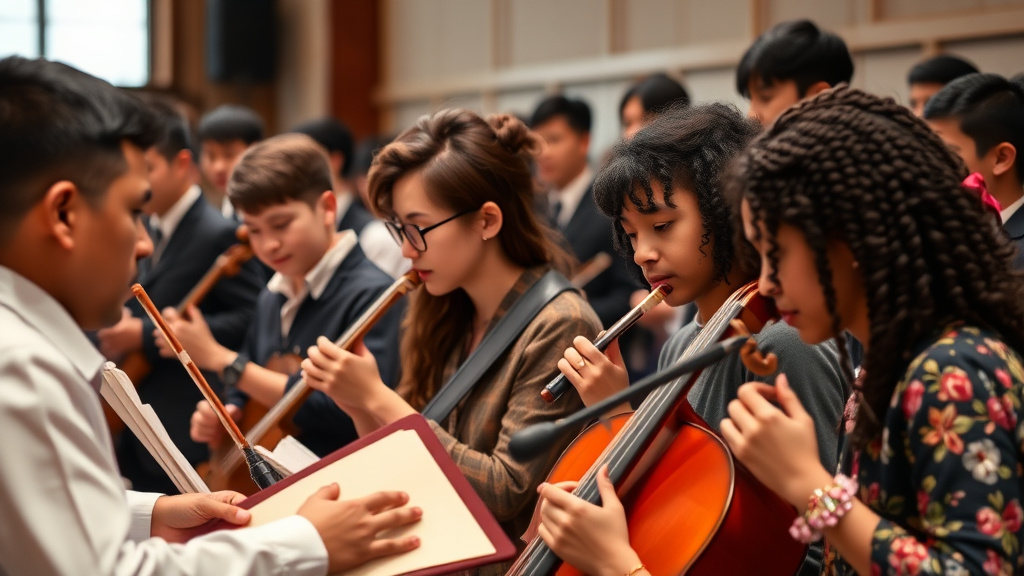
For years, classical music has faced an image of exclusivity and declining younger audiences. Today, however, orchestras and concert halls globally are revolutionizing their approach, breaking down barriers through innovative programming, diverse repertoires, and accessible venues. From film score concerts to cross-genre collaborations, these institutions are discovering that classical music’s enduring relevance goes beyond traditional boundaries. This article explores how major arts institutions are reimagining the concert experience to reach younger and broader demographics while protecting the art form’s character and tradition.
Transforming Concert Experiences
Classical music venues are significantly changing how they stage performances to engage younger listeners. Gone are the days of inflexible dress code rules and silent deference as the only acceptable concert etiquette. Contemporary performance spaces implement a casual environment, allowing patrons to dress casually and interact freely with the music. This evolution extends to performance spaces, with many orchestras hosting performances in unconventional spaces—from breweries and converted warehouses to outdoor parks—making classical music feel accessible and contemporary rather than off-putting.
Technology plays an increasingly vital role in transforming the concert experience. Many organizations now offer streamed concerts, allowing international audiences to enjoy premier orchestral ensembles from residential spaces. Digital interactive platforms offer instant details about pieces, composers, and performers taking the stage. Some performance spaces have introduced visual effects and multimedia components that support orchestral performances, generating immersive experiences that appeal to digitally-oriented audiences familiar with varied sensory experiences and engaging content.
Programming advancement stands at the center of this modernization initiative. Orchestras strategically blend classical masterworks with modern pieces, film scores, and mainstream music adaptations that appeal to younger listeners. These curated programs create natural entry points for newcomers while maintaining artistic credibility for seasoned classical enthusiasts. By showcasing contemporary creators and supporting new compositions, institutions demonstrate that classical music stays dynamic and meaningful, constantly developing rather than existing solely as historical artifacts.
Concert duration and structure have also undergone significant changes to accommodate modern lifestyles and attention spans. Many orchestras now offer condensed, streamlined performances lasting sixty to seventy-five minutes without intermission, appealing to audiences with time constraints. Additionally, institutions have introduced pre-concert talks, post-concert conversations, and learning sessions that deepen audience comprehension and involvement. These additional programs transform passive listening into engaged educational experiences, building strong bonds between performers and audiences.
Ticket pricing approaches have become more adaptable and patron-focused. Many concert spaces implement dynamic ticket pricing, reduced student rates, and donation-based performances to eliminate cost obstacles to attendance. Some institutions offer season packages with lower per-concert costs, helping younger patrons to build regular concert attendance. Free outdoor concerts and community-based performances continue to expand access to classical works, making sure that economic circumstances don’t obstruct participation in cultural engagement.
Promotional and digital engagement constitute essential elements of modernization efforts. Orchestras leverage platforms like Instagram, TikTok, and YouTube to present exclusive footage, musician interviews, and concert excerpts that generate excitement and curiosity. Strategic influencer alliances and trending digital initiatives help orchestral performances connect with audiences who might never encounter it through standard promotional channels. This social media-centered method understands where younger audiences spend their time and attention, meeting them in their preferred communication channels.
Developing Inclusive Communities By Way Of Diverse Programming
Extending Musical Perspectives
Classical music organizations are actively broadening their programming to showcase the diverse cultural heritage of their communities. By programming works by underrepresented composers, encompassing women, people of color, and global composers, orchestras build environments where audiences from different backgrounds see themselves visible in concert halls. This intentional curation transcends tokenism, fostering a authentic dedication to fair inclusion. Presenting new pieces alongside established canonical works demonstrates that classical music continues to be a dynamic and developing medium able to reflecting contemporary issues and perspectives.
Joint initiatives with community artists and cultural groups builds community connections and exposes classical music to people who rarely visit conventional concert halls. Collaborations with hip-hop artists, jazz musicians, and world music ensembles create unique fusion experiences that attract younger demographics. These collaborations celebrate various musical styles while showcasing classical music’s adaptability and contemporary value. By establishing orchestras as cultural anchors rather than exclusive institutions, these partnerships encourage more meaningful connection and create lasting relationships with fresh audiences.
Building Welcoming Settings
Physical and cultural accessibility has become paramount for institutions seeking to engage younger, more diverse audiences. Concert halls are redesigning their venues with casual seating areas, relaxed dress codes, and casual performance environments that reduce intimidation barriers. Informative pre-performance discussions, notes provided in various languages, and online materials empower audiences to fully appreciate performances independent of prior classical music knowledge. These initiatives recognize that welcoming environments go further than physical accessibility to include psychological and mental ease.
Pricing strategies have evolved significantly, with many institutions implementing tiered pricing options, free community performances, and youth-focused discounts. Virtual streaming platforms and online performance programs broaden reach to remote or mobility-challenged audiences. Social media interaction fosters grassroots communities where younger listeners share thoughts on performances and share experiences authentically. By eliminating cost and access obstacles, classical music institutions exhibit sincere commitment to democratizing access and creating welcoming spaces that capture today’s diverse communities.
Mentor Support and Youth Growth
Comprehensive youth training programs act as pipelines for fostering the future generation of classical enthusiasts and professionals. Mentoring programs connecting young musicians with seasoned professionals deliver critical direction and inspiration. Orchestras support school collaborations, community music instruction, and financial aid programs that nurture talent regardless of socioeconomic background. These programs understand that early introduction and expert instruction are vital for developing long-term participation with classical music. By supporting youth development, institutions build sustainable audiences and secure the art form’s continued relevance.
Peer-to-peer engagement strategies empower young musicians and listeners to become ambassadors within their own communities. Student orchestral ensembles, student conductor programs, and new talent presentations create platforms for young talent to develop while motivating their peers. Online promotional efforts featuring young performers bring to life classical music and highlight its relevance to contemporary youth culture. These growth opportunities transform classical music from a distant, intimidating art form into an accessible pursuit, building authentic connections that go beyond traditional generational divides.
Technological Advancement and Access Programs
Classical music organizations are leveraging digital platforms to engage audiences outside concert halls. Streaming platforms, engagement on social media, and virtual performances have made accessible to world-class orchestras and ensembles. Many organizations now offer free online concerts, behind-the-scenes content, and engaging educational tools. These digital initiatives eliminate geographical and financial barriers, allowing younger audiences globally to engage with classical music at a pace that suits them. Virtual reality experiences and augmented reality applications further enhance engagement by producing immersive musical experiences that resonate with tech-savvy generations.
Mobile applications created by leading orchestral institutions provide tailored performance suggestions, immediate program information, and artist interviews. Institutions are allocating resources toward superior production quality for livestreamed performances, acknowledging that streaming audiences expect polished delivery. Online social networks facilitate meaningful interaction with emerging audiences through accessible programming, informative clips, and listener connection. Podcasts exploring the cultural importance of classical music and current importance have cultivated dedicated listener bases. These digital advancements show that classical music institutions are going beyond simply adjusting to online developments but strategically embracing them to foster meaningful connections with younger music enthusiasts.
Inclusive Venue Experiences
Concert halls are redesigning physical spaces to accommodate diverse audiences comfortably. Adaptable seating options, casual dress codes, and informal concert settings reduce intimidation factors traditionally associated with classical venues. Many institutions now offer affordable ticket options, donation-based concerts, and free community events. Enhanced accessibility features including wheelchair access, audio assistance technology, and sensory-accessible concerts ensure inclusivity for audiences with disabilities. These thoughtful modifications signal that classical music is for all people, regardless of background or economic status.
Educational pre-concert talks, performance guides in diverse languages, and diverse artistic perspectives within programming better support accessibility. Some venues host casual discussion events where listeners are able to discuss performances without formal protocols. Family-friendly matinees and young people-centered events engage younger audiences in welcoming environments. By focusing on comfort, affordability, and inclusivity, orchestras and concert organizations are effectively removing perceived barriers and building engaged audiences of involved music fans reaching across all age groups and different life stages.
