
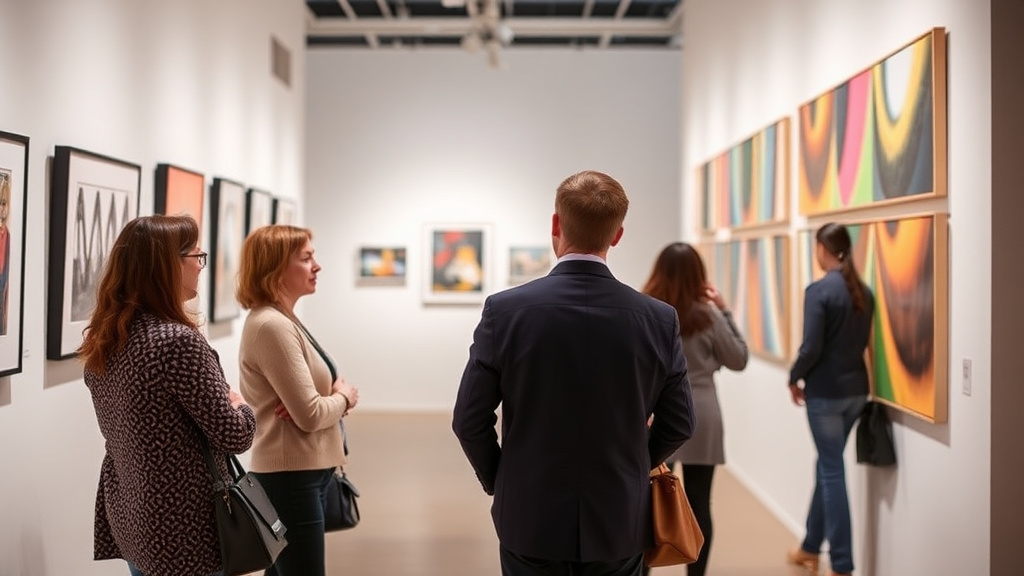
As modern artistic expression keeps developing and challenge traditional boundaries, museum directors globally face a pressing challenge: how do we guarantee these cutting-edge exhibitions remain accessible to all visitors? From technological artworks requiring technical literacy to interactive environments that may overstimulate sensory-sensitive guests, the debate intensifies over standardized inclusion standards. This article examines the persistent conflict between creative advancement and inclusive design, examining how leading institutions are navigating these intricate issues while striving to democratize the modern art landscape for diverse audiences.
Defining Access and Inclusion in Contemporary Artistic Environments
Accessibility in modern art goes well beyond wheelchair ramps and elevators, encompassing a thorough approach to inclusivity that addresses physical, sensory, cognitive, and cultural barriers. Museum directors are increasingly aware that contemporary exhibitions—often featuring experimental mediums, unconventional layouts, and immersive technologies—demand thoughtfully designed accessibility standards. These standards must balance the artists’ creative vision with visitors’ diverse needs, ensuring that innovative installations remain intellectually and physically accessible to everyone, irrespective of ability or background.
The challenge lies in determining accessibility truly represents within the context of contemporary art’s constantly changing landscape. Traditional accessibility measures, such as audio descriptions and touch-based materials, may not adequately serve displays of digital art, performance pieces, or interactive exhibits. Museum practitioners must develop nuanced frameworks that tackle specific exhibition types while preserving adaptability for artistic experimentation. This necessitates collaboration between curators, accessibility specialists, and creators to create standards that respect artistic vision and accessibility-focused design.
Contemporary art spaces must also consider the diverse needs of neurodivergent visitors, individuals with intellectual disabilities, and those from underrepresented communities who may experience cultural exclusion from traditional museum environments. Accessibility standards should provide calm spaces for sensory regulation, diverse formats for interpreting artwork, and programming that welcomes diverse ways of learning. By developing comprehensive accessibility guidelines suited to the specific needs of contemporary art, museums can transform these spaces into authentically welcoming settings that showcase artistic advancement while prioritizing visitor inclusion and human dignity.
Difficulties and Implementation Obstacles
Museum directors encounter significant obstacles when adopting accessibility standards for current artistic works. Many advanced exhibits involve sophisticated systems, participatory features, and non-traditional structures that fall outside established accessibility approaches. Budget constraints limit institutions’ capacity to modify current facilities or create supplementary options. Additionally, artists at times oppose adaptations, worried about diminished artistic intent. The absence of consensus guidelines produces ambiguity about what standards apply and how to integrate creativity with accessibility appropriately.
Structural facilities presents an additional significant barrier, particularly in older museum buildings not built with accessibility in mind. Sensory-heavy installations, such as intense audio installations or vivid visual presentations, may need specialized accommodations for neurodivergent visitors. Staff training gaps additionally hinder implementation, as many museum professionals lack expertise in accessible design. Budget constraints force tough choices about priorities, causing smaller museums struggling to meet varied accessibility requirements while preserving operational viability and high-quality artistic programming.
Leading Approaches and Upcoming Priorities
Leading museums are developing comprehensive accessibility frameworks that balance artistic integrity with accessibility-focused design. These institutions adopt inclusive design approaches, including detailed artwork descriptions, multi-sensory participation opportunities, and flexible viewing experiences. Forward-thinking museums partner with accessibility experts and disabled visitors to establish meaningful standards. Virtual spaces broaden accessibility beyond physical spaces, allowing virtual interaction with contemporary exhibitions. Progressive directors acknowledge that inclusive upgrades often deepen the experience for every visitor, not merely accommodating specific needs but fostering deeper connections with contemporary art.
- Implement descriptive audio for intricate visual displays
- Provide sensory-friendly viewing times weekly
- Create adaptable routes through display areas
- Develop multilingual digital guides and resources
- Train staff in disability awareness and inclusive practices
The direction of modern art museums relies on embracing accessibility as fundamental curatorial practice instead of supplementary accommodation. Industry leaders advocate for establishing shared accessibility standards while permitting institutional flexibility in implementation. Investment in training, technology, and partnership engagement with disabled communities strengthens these efforts. Museums that emphasize accessibility demonstrate commitment to inclusive principles and broader visitor engagement. As accessibility standards develop, museums positioning themselves as inclusive spaces will draw diverse visitors and ensure contemporary art stays culturally relevant and socially responsible.
