
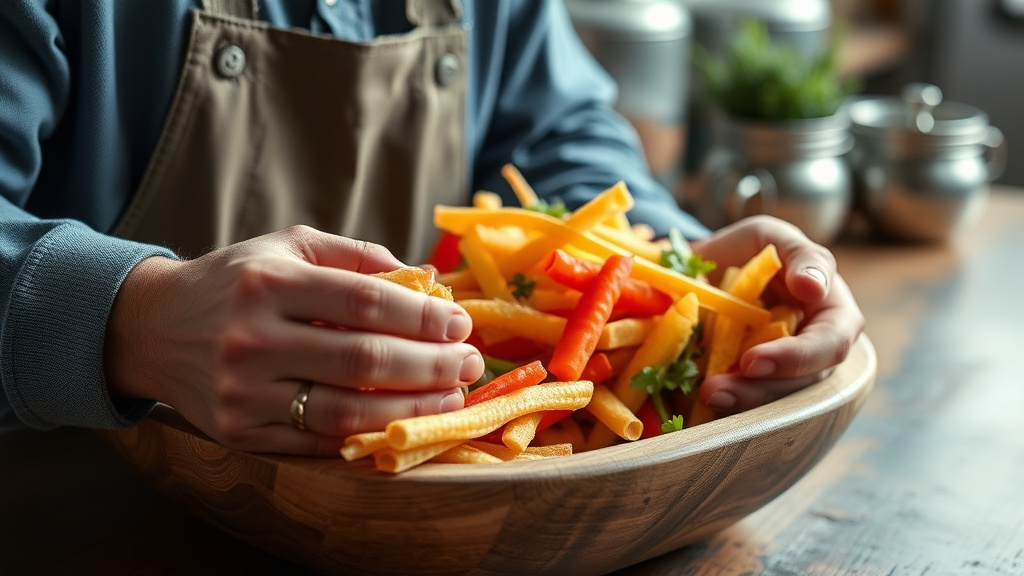
As globalization threatens eroding food cultures worldwide, ancestral cooking face unprecedented extinction. Cultural organizations are now acknowledging that maintaining traditional cooking methods and culinary techniques is essential to safeguarding cultural identity and heritage. This article examines why culinary preservation represents a essential undertaking, examining the obstacles confronting these groups, thriving conservation efforts across continents, and how groups are recording and revitalizing their gastronomic traditions before irreplaceable expertise disappears forever.
The Importance of Culinary Heritage Documentation
Documenting traditional cuisine acts as a vital cultural archive, preserving the narratives, methods, and knowledge contained in family cooking instructions. When cooking traditions are carefully documented through written accounts, visual media, and spoken narratives, they are made available to coming generations who could otherwise lose connection from their heritage. This documentation establishes a tangible reference point that stops the degradation of cultural identity and ensures that heritage cooking approaches, traditional ingredient expertise, and familial food practices stay preserved regardless of contemporary challenges and population changes.
Beyond preservation, comprehensive culinary documentation provides invaluable study possibilities for anthropologists, historians, and food scientists working to comprehend cultural evolution and human adaptation. These records illuminate how communities created food systems that were sustainable, made use of local ingredients, and created nutritionally balanced diets long before modern nutritional science. By recording traditional food practices, cultural organizations establish authoritative references that confirm indigenous knowledge systems, support cultural pride, and produce educational resources that schools and communities can employ to reconnect younger generations with their gastronomic heritage.
Approaches for Recipe and Technique Conservation
Cultural organizations are putting into place detailed plans to document and preserve traditional recipes and cooking techniques before they vanish. These layered strategies combine digital technology, public involvement, and research expertise to develop sustainable preservation systems. By establishing standardized documentation methods and creating accessible archives, organizations ensure that future generations can access and practice cultural cooking wisdom. Strategic partnerships between cultural centers, academic venues, and regional populations meaningfully advance preservation initiatives.
Digital Archives and Online Platforms
Digital archives have reshaped recipe safeguarding by creating organized digital repositories containing thousands of heritage foods with step-by-step directions and cultural context. Organizations employ digital media tools to record video demonstrations, sourcing documentation, and preparation approaches demonstrated by master chefs and traditional practitioners. These web-based archives provide access for researchers, cooking students, and diaspora communities worldwide. Online infrastructure offer protected data management and redundancy safeguards for invaluable culinary documentation.
Online platforms enable real-time teamwork among heritage institutions, enabling institutions to exchange preservation assets and standardized documentation formats globally. Interactive digital platforms make traditional recipes available to younger generations in accessible, interactive formats. Virtual culinary workshops and webinars connect practitioners in different regions, establishing vibrant virtual communities centered around culinary heritage. These platforms also facilitate crowdsourced input, encouraging community members to contribute family culinary methods.
Community Participation and Intergenerational Learning
Direct community engagement proves essential to successful conservation initiatives, as community knowledge keepers offer genuine perspectives that external scholars cannot replicate. Cultural organizations organize apprenticeship programs pairing experienced cooks with younger community individuals, ensuring practical skill transfer happens through direct practice. Cooking classes, cultural festivals, and demonstration sessions provide celebratory venues where traditional cuisine achieves appreciation and appreciation. These efforts deepen community relationships while effectively addressing loss of culinary knowledge.
Intergenerational learning programs directly tackle the critical gap between older knowledge keepers and younger generations growing distant from heritage food practices. Structured mentorship initiatives deliver formal validation and financial support for knowledge holders, acknowledging their skills fairly. Schools and local organizations integrate traditional cooking classes into formal curricula, normalizing culinary heritage as valid expertise. Household recording initiatives support communities to preserve their culinary traditions and accounts, building family collections that complement institutional efforts.
Obstacles and Path Forward
Cultural organizations face significant challenges in their conservation work. Budget constraints restrict documentation initiatives and educational initiatives, while elderly tradition bearers pass away before transmitting their expertise. Additionally, younger cohorts increasingly prefer accessible processed foods over time-intensive conventional preparation techniques. Changing climate conditions endangers availability of ingredients, disrupting supply chains for culturally important food sources. Digital preservation demands substantial technical resources and technical skill that numerous organizations are without, producing a growing divide between preservation objectives and feasible resources.
The road ahead calls for innovative collaborative strategies and sustained engagement. Organizations should establish mentoring initiatives pairing veteran cooks with young people through hands-on learning experiences. Investment in digital archives leveraging multimedia documentation ensures recipes persist in various formats, from video guides to text-based guides. Partnerships with academic institutions, government agencies, and culinary programs can amplify scope and support. Moreover, developing viable economic frameworks—such as culinary heritage tourism and artisanal product markets—incentivizes community involvement while generating revenue for preservation programs.
Success ultimately relies on treating culinary heritage as integral to cultural persistence and heritage. Communities must reassert ownership of their gastronomic narratives rather than placing sole reliance on external organizations. Educational curricula should incorporate traditional cooking as cultural understanding, normalizing ancestral foods in schools and public spaces. By recognizing cuisine as dynamic heritage meriting preservation and celebration, societies can make certain that future generations pass down beyond just recipes, but the stories, values, and connections woven into their traditional foods.
