
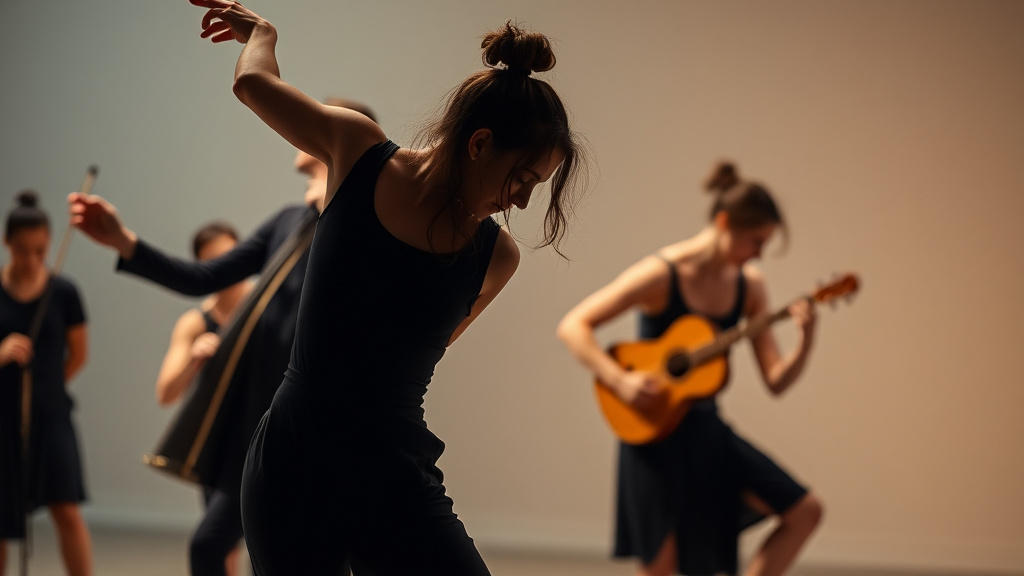
The distinctions between dance and music are breaking down as choreographers and musicians increasingly collaborate to create innovative performances that go beyond traditional artistic silos. By blending choreography with live composition, these collaborative partnerships are transforming how audiences engage with the arts. This article investigates how groundbreaking cross-disciplinary projects fuse dance with composition to produce immersive performances that break traditional rules, amplify emotional impact, and push creative possibilities. Discover the creative processes, successful collaborations, and revolutionary impact of this innovative fusion.
The Growth of Dance and Music Collaboration
The connection between dance and music has been present for centuries, yet the character of their partnership has profoundly evolved. Historically, choreographers created movement to support existing musical compositions, establishing music as the main artistic driver. However, contemporary practitioners are reimagining this power structure, treating dance and music as equal partners in artistic production. This movement reflects wider transformations in how artists think about collaborative projects, departing from traditional hierarchies toward true artistic collaboration.
Throughout the twentieth century, pioneering figures began experimenting with increasingly unified methods to blending these art forms. Composers like John Cage challenged conventional relationships between sound and movement, while choreographers such as Merce Cunningham intentionally disconnected dance from music to explore their independent possibilities. These exploratory methods laid crucial groundwork for modern collaborations, showing that dance and music could exist in productive tension rather than seamless harmony. Their innovations inspired subsequent artists to question assumptions about how these fields should relate.
The current collaborative landscape reflects years of artistic experimentation and cultural evolution. Modern dance artists and composers leverage digital tools, multimedia components, and interdisciplinary approaches to create performances that would have seemed impossible in earlier eras. These contemporary partnerships center on mutual creative input from initial concept to final performance, producing works where neither art form dominates. This development signifies a maturation of cross-disciplinary collaboration, where both dance and music play an equal role to shaping audience experience and artistic meaning.
Breaking Boundaries By Way of Creative Partnership
When choreographers and musicians combine their unique creative perspectives, they create a powerful synergy that goes beyond individual disciplines. This joint creative process dismantles traditional barriers, allowing each artist to influence and inspire the other in the moment. The result is a cohesive artistic experience where dance and music are inseparable, producing performances that sound natural and intimately linked rather than simply paired together.
Joint Creative Approaches
The artistic alliance between dancers and composers begins with open dialogue and shared appreciation for both art forms. Rather than one artist adapting to the other’s work, genuine partnership involves concurrent artistic growth where ideas flow bidirectionally. Movement artists often generate original scores through movement vocabulary, while musicians shape the kinetic articulation through novel rhythmic patterns and tonal selections.
This integrated approach calls for adaptability and readiness to let go of fixed ideas about how music and dance should connect. Creative partners often find novel directions when they focus on the collective vision over personal creative choices. The process becomes experimental, with both collaborators contributing equally to conceptual development, technical execution, and aesthetic enhancement throughout the complete creative timeline.
- Establish clear communication channels between all collaborators
- Plan frequent practice sessions integrating movement and musical exploration
- Develop collective artistic vision documents prior to production starts
- Allow time for exploring creative possibilities and taking artistic risks
- Document collaborative discoveries for ongoing growth and future use
Successful cross-disciplinary partnerships demonstrate that vulnerability and openness strengthen artistic outcomes significantly. When choreographers and musicians embrace uncertainty and trust their colleagues’ knowledge, they discover creative opportunities neither could achieve independently. This collaborative dedication in common artistic goals ultimately generates performances that resonate authentically with audiences, offering transformative experiences through seamlessly integrated artistic expression.
Influence and Trajectory of Multidisciplinary Performance
The joint work between dance choreographers and musicians have already shown deep influence on contemporary performance arts. Audiences now witness increased emotional engagement as coordinated motion and music performed live generate multisensory experiences that surpass conventional solo work. These interdisciplinary projects have engaged broader audiences, created more funding possibilities, and motivated new creators to pursue hybrid creative approaches. The accomplishments of these projects demonstrates that transcending creative limits produces original creations that resonate deeply with contemporary audiences seeking novel engaging cultural moments.
Looking ahead, the future outlook of interdisciplinary performance appears increasingly promising as advances in technology enable new creative possibilities. VR, projection mapping, and interactive digital tools will enable dancers and musicians to venture into new artistic frontiers. Universities and colleges are beginning to recognize the value of cross-disciplinary training, creating initiatives that promote collaboration between music and dance students. This institutional support will foster a new generation of artists capable of seamlessly integrating multiple artistic mediums, supporting continued growth and innovation within the performance arts field.
The lasting legacy of collaborations between dance and music lies in their ability to push back against artistic conventions and transform audience expectations. As these partnerships keep developing, they set new standards for creative excellence and audience participation. The boundary-crossing movement demonstrates that art thrives when boundaries break down and artists pursue collaborative possibilities. Looking ahead, these innovative performances will undoubtedly shape the artistic terrain, inspiring continued experimentation and proving that the most compelling artistic works emerge when diverse creative voices converge around shared artistic vision.
