
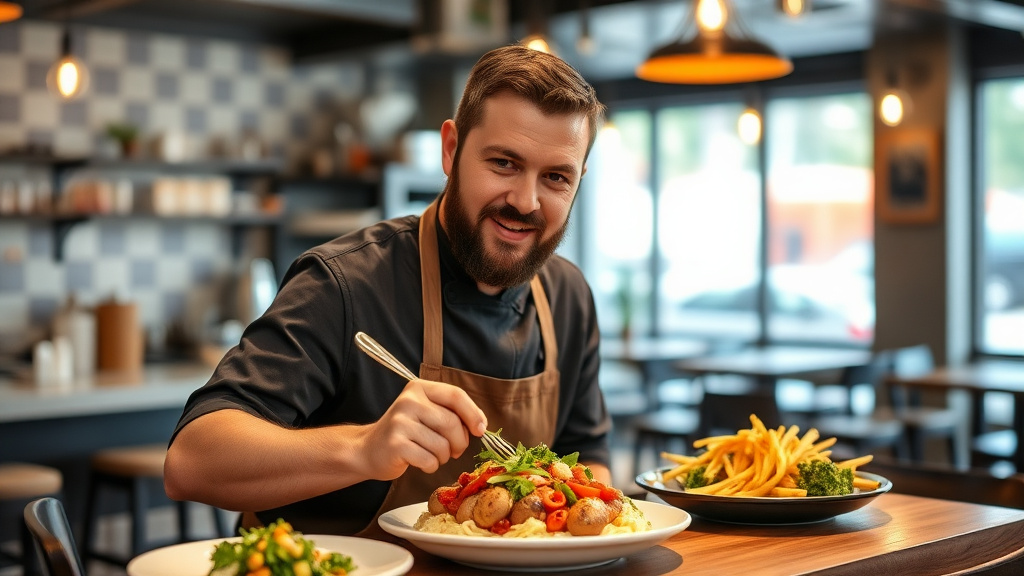
In a strategic move toward environmental responsibility, renowned celebrity chef Marcus Wellington has unveiled his newest dining concept: a farm-to-table dining establishment concept that prioritizes sustainable and locally-grown ingredients. This innovative establishment marks a notable transformation in upscale cuisine, reimagining conventional dining approaches by partnering directly with local growers and suppliers. Discover how Wellington is transforming contemporary cooking while strengthening local areas, lowering environmental impact, and proving that outstanding cuisine and ecological responsibility can thrive side by side in contemporary environmentally-aware dining.
The Strategy Behind the New Initiative
Chef Marcus Wellington’s fresh restaurant model emerges from a deeply held conviction that upscale cuisine and ecological stewardship are entirely compatible. Wellington envisions a culinary journey where each plate communicates a message of community connection and ecological mindfulness. By creating direct connections with regional farmers and craft makers, the restaurant builds a clear sourcing system that supports both diners and local areas. This philosophy transcends just buying supplies; it constitutes a complete rethinking of how restaurants can operate as positive forces within their ecosystems while achieving outstanding cooking standards.
At its core, Wellington’s vision tackles the increasing divide between diners and their food sources. The concept challenges the traditional upscale restaurant approach by proving that regional seasonal offerings can enhance rather than limit creative cooking. By adopting sustainable practices, the restaurant aims to drive broader transformation while proving that deliberate food choices strengthens rather than diminishes the dining experience. This approach connects with contemporary diners who actively pursue meaningful connections between their meals, their communities, and the environment.
Procurement and Sustainability Practices
Chef Marcus Wellington’s innovative restaurant model is established upon ethical procurement and ecological responsibility. Every ingredient that graces the kitchen has been thoughtfully chosen based on sustainability benchmarks, what’s in season, and location relative to the venue. This commitment extends beyond mere marketing; it embodies a core principle that shapes menu creation, vendor partnerships, and business practices. By prioritizing local sourcing, Wellington lowers delivery-related carbon output while ensuring peak ingredient freshness and quality.
Local Farmer Partnerships
The restaurant has established direct relationships with approximately thirty area farms and producers within a hundred-mile radius. These collaborations transcend basic purchase agreements; they represent collaborative efforts where chefs and farmers communicate regularly about crop planning, seasonal variations, and new ingredient developments. Wellington regularly tours partner farms quarterly to preserve these relationships and understand the obstacles farmers experience. This approach delivers reliable quality while giving farmers dependable outlets for their eco-friendly operations.
By committing to extended agreements with regional farmers, the restaurant offers sustainable income that allows farmers to implement sustainable farming methods. These partnerships have already led to the establishment of specialty crop varieties tailored to the restaurant’s culinary vision. The reciprocal gains extend to customers, who appreciate clear sourcing and the assurance that their food actively contribute to regional farming operations and eco-conscious farming approaches.
Ecological Impact Targets
Wellington has established comprehensive environmental targets for the restaurant, including reaching carbon neutrality within three years of opening. The venue utilizes renewable energy sources, implements comprehensive waste reduction programs, and runs a strong composting system that redirects organic materials from landfills. Water conservation measures include rainwater harvesting and advanced kitchen technologies. These initiatives show that fine dining establishments can operate profitably while reducing their environmental footprint and serving as models for sector-wide sustainability.
The restaurant’s sustainability metrics are monitored openly and disclosed to the public through quarterly environmental reports. Goals include reducing food waste to under five percent, sourcing one hundred percent of produce from local sustainable sources, and achieving zero single-use plastics by year two. Wellington believes that openness and responsibility are essential for substantive environmental improvement. By publishing these metrics, the restaurant welcomes examination while encouraging other venues to adopt similar practices and collectively drive positive change within the hospitality industry.
Culinary Advancement and Culinary Excellence
Chef Wellington’s menu showcases a groundbreaking method to present-day culinary arts, where artistic vision aligns with sustainability. Each dish is precisely designed to display the natural flavors of locally obtained produce while reducing processing and transport. The chef works closely with seasonal availability, allowing the menu to change with the seasons. This flexible strategy not only minimizes waste but also pushes his kitchen staff to keep innovating, resulting in dishes that are sustainable and outstandingly flavorful, setting fresh expectations for mindful luxury dining.
The restaurant features a changing selection that updates every fourteen days, reflecting the current harvest from partner farms and producers. This practice guarantees peak freshness while building stronger relationships with regional producers who understand the city’s rigorous quality requirements. Diners can anticipate novel flavor profiles and creative plating that highlight the ingredient quality rather than relying on artificial enhancements. The culinary team’s dedication to transparency means each plate includes details regarding sourcing, enabling guests to understand the path from source to plate and understand the environmental significance of their dining experience.
Wellington has educated his kitchen staff extensively in environmentally conscious cooking practices, highlighting minimal-waste methods and nose-to-tail utilization of ingredients. Every part of sourced products is used inventively, from produce trimmings made into stocks to meat byproducts featured in inventive creations. This principle extends outside the cooking area, shaping presentation decisions and packaging materials. The result is a dining experience that illustrates how environmental responsibility and culinary mastery are not conflicting priorities but mutually reinforcing objectives that enhance the eating experience and encourage guests to reflect on their own consumption habits.
