
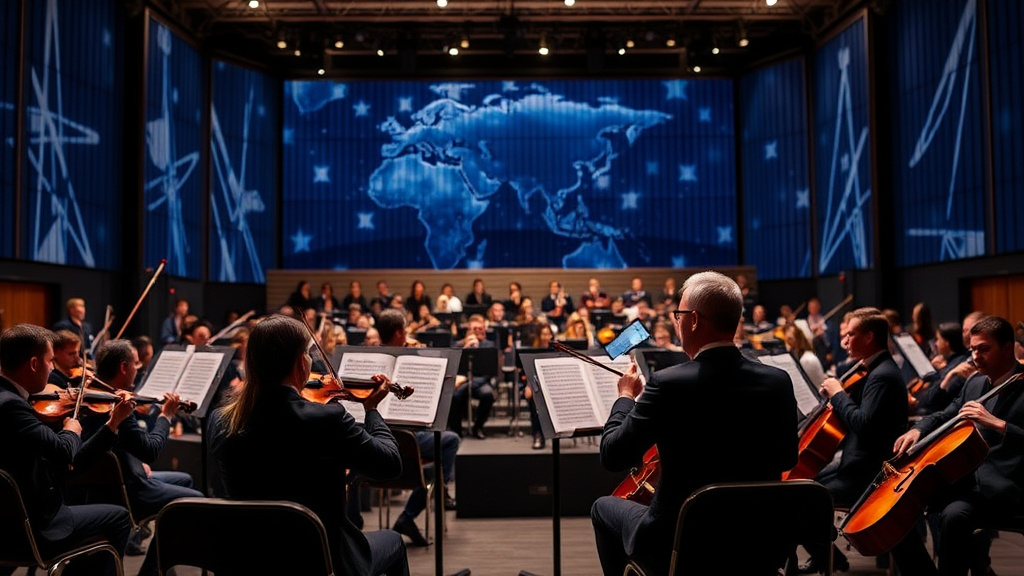
In an exciting convergence of classical heritage and modern advancement, a renowned classical orchestra is revolutionizing how audiences engage with live concerts through cutting-edge technology. From immersive sound technologies to engaging online interfaces, this innovative project transforms performance venues into vibrant spaces that captivate international listeners. Discover how these digital innovations preserve the timeless beauty of orchestral compositions while expanding accessibility and engagement for millions of listeners worldwide, reshaping the landscape of live orchestral performances.
Technology Integration Transforms Conventional Methods
The classical orchestra’s embrace of digital technology marks a groundbreaking moment in performance venue history. Sophisticated sound technology now preserve the nuanced dynamics of in-person performances with exceptional detail, allowing audiences to enjoy every violin vibrato and timpani resonance with stunning accuracy. These audio advancements don’t obscure the musicians’ artistry; instead, they strengthen it, creating a stronger bond between performers and listeners irrespective of their seating position in the venue or worldwide.
Interactive digital tools have expanded availability to classical music in remarkable fashion. Audiences can now engage with concert programs through smartphone apps, retrieving musician biographies, composition histories, and live concert annotations. Virtual reality experiences enable remote viewers to feel immersed in the concert hall atmosphere, while AR features display visual interpretations of the music. These innovations particularly benefit younger generations and international audiences, dismantling traditional barriers that once limited classical music appreciation to exclusive audiences.
Backstage technical systems smoothly enables the orchestra’s operational excellence without compromising artistic integrity. Advanced lighting systems respond dynamically to musical themes, while advanced sound control ensures ideal audio clarity throughout the venue. Live performance metrics help orchestras understand audience preferences and optimize future programming. This harmonious blend of technology and tradition illustrates that innovation and classical artistry complement each other but complementary elements that together produce more meaningful, accessible, and engaging concert experiences.
Advanced Audio and Visual Systems Transform Viewer Participation
The orchestra has invested in state-of-the-art spatial audio technology that produces an immersive 3D audio environment throughout the performance venue. This sophisticated technology preserves the subtle details of individual instruments with unprecedented clarity, allowing audiences to engage with the performance with remarkable depth and precision. Integrated with synchronized visual projections that complement the orchestral performance, these technologies produce a multisensory experience that goes beyond traditional concert attendance, deepening emotional connections between musicians and audiences.
Live video broadcasting and augmented reality features enable global audiences to participate in live performances from any location globally. HD camera perspectives deliver detailed views of musicians, while engaging online platforms enable remote viewers to customize their listening experience. These innovations democratize access to orchestral works, breaking geographical barriers and introducing symphonic concerts to digitally-native listeners who would not typically attend traditional concerts, substantially broadening the orchestra’s reach and cultural impact.
Future of Classical Music Via Technological Innovation
The integration of advanced digital solutions into orchestral concerts represents a revolutionary period for the industry. As orchestras progressively implement modern platforms, they access new possibilities for artistic expression and listener engagement. Three-dimensional concert presentations, machine learning-driven pieces, and live listener participation systems are reshaping how traditional compositions appeal to international music enthusiasts. These technological advancements not only maintain traditional orchestral excellence but also attract younger audiences to orchestral performances. The future promises even more sophisticated tools that will optimize audio performance, customize individual enjoyment, and expand reach to premier orchestral concerts for music enthusiasts worldwide.
- Virtual reality provides immersive concert hall experiences globally
- Artificial intelligence assists composers in producing original compositions
- Streaming services expand availability to orchestral concerts
- Interactive digital systems strengthen audience connection and participation
- Advanced audio systems preserves acoustic integrity in recorded performances
Looking ahead, the classical music landscape will remain dynamic through digital advancement and creative collaboration. Orchestras around the world are committing resources to research and development to pioneer next-generation concert experiences. Hybrid performances integrating performing artists with technological components will become increasingly common, attracting broader crowds. Learning programs employing technology will inspire coming generations of classical music enthusiasts. By embracing innovation while respecting time-honored conventions, orchestras ensure their significance and energy in an increasingly digital world, protecting classical music’s permanent impact for centuries to come.
